



Development of a Measurement Instrument for High School Students’ Chemical Science Capital
Abstract
Chemistry-specific/Chemical science capital (CSC) refers to a collection of resources that create use or exchange value for individuals or groups, supporting and enhancing chemical achievements and engagement in chemistry. Following the general procedures for developing science education measurement instruments and drawing on existing research on science capital, this study constructed an evaluation framework for CSC. The framework comprises four primary dimensions—material capital, social capital, institutional capital, and cultural capital—along with nine secondary dimensions. Based on this framework, a measurement instrument for high school students' CSC was developed. Guided by item response theory (IRT) and the fundamental assumptions of the Rasch model, this instrument underwent pilot testing, quality validation, and revisions, resulting in a robust assessment tool for evaluating high school students’ CSC.
1. Introduction
Cultivating a scientifically talented youth community is a crucial responsibility of modern science education. Building a nation strong in science and technology requires more young students who are passionate about science. The foundation of this passion and respect for science lies in identifying with science, actively engaging with it, and leveraging it as personal academic and developmental capital. As a core discipline within science, chemistry-specific/chemical science capital (CSC) represents the application of science capital specifically in the field of chemistry. Young learners should be equipped to utilize chemistry-related resources as capital for their learning and growth. However, as students progress through educational stages, there is a general downward trend in their interest and engagement in science, particularly in chemistry[1]. Empirical observations indicate a systematic pattern of adolescents' voluntary withdrawal from science disciplines, with chemistry demonstrating the most pronounced curricular avoidance during secondary education[2]. These inequalities are of concern not just to science educators but to policy-makers and industry as well[3–5]. CSC refers to a collection of resources that generate use or exchange value for individuals or groups, supporting and enhancing chemical achievement and engagement. CSC plays a pivotal role in high school students' academic and personal development. Firstly, it directly enhances chemistry academic performance by providing access to learning resources, effective social support, and institutional frameworks that facilitate knowledge acquisition and skill mastery. Secondly, it deepens students' understanding of the nature of science: through engagement with chemical material resources, interaction with science professionals, and participation in institutionalized scientific activities, students grasp the empirical and collaborative essence of chemistry. Lastly, it shapes future academic and career trajectories: positive attitudes toward chemistry (a key component of cultural capital) and awareness of chemistry's labor-market value motivate students to pursue advanced studies and careers in chemistry-related fields, thereby mitigating the "flight from chemistry" phenomenon and fostering a sustainable talent pool for scientific disciplines. Developing a measurement instrument for high school students’ CSC can help chemistry educators assess key factors such as: Access to chemistry-related material resources, Organizational structures for chemistry learning, and social relationships tied to chemistry. This instrument provides theoretical and practical support for addressing the "flight from science" and "flight from chemistry" phenomena, ultimately contributing to the reform and advancement of science education.
2. Theoretical Framework of Chemistry Science Capital
2.1. The Concept of Science Capital
The theory of science capital originates from Pierre Bourdieu's social capital theory in sociology[6], with its formal introduction to educational research marked by British scholar Louis Archer's conceptualization of "science capital" in 2014[7].
In early bourgeois theory, capital was viewed primarily as a medium for economic exchange, essentially equated with monetary or material wealth[8]. However, the conceptualization of capital expanded beyond economic confines through sociological developments, notably through the seminal contributions of French sociologist Pierre Bourdieu. Bourdieu defined capital as "the material or immaterial resources accumulated by social actors within specific social fields through sustained labor, whose value is determined by the particular field of operation (a constellation of social relations defined and maintained through specific rules and power structures). Capital interacts with the habitus (the enduring cognitive and behavioral dispositions formed during socialization) across various fields (e.g., education, arts, science) to generate social advantages for its possessors[6,9,10]." In educational fields, Families possessing rich educational capital may produce values, attitudes, expectations and behaviors in children through the interaction of capital and habitus, that promote academic attainment and post-compulsory educational participation[11–15]. Bourdieu categorized capital into four forms: Economic capital: Material resources such as money and property; Social capital: Resources derived from stable networks of interpersonal relationships; Symbolic capital: Prestige-laden capital, including honors and social status; Cultural capital: Aesthetic preferences and cultural practices tied to classical arts[10], which holds a dominant position in Bourdieu's framework. Pierre Bourdieu posited that four forms of capital collectively determine an individual's social position within specific fields, such as the educational field. Families endowed with abundant and high-quality educational resources leverage the interplay of economic, cultural, and social capital to secure access to elite schools for adolescents[16,17], thereby fostering academic achievement[18].
With technological advancements and societal transformations, science and technology have increasingly permeated cultural practices and practical domains. Consequently, the conceptualization of capital must extend beyond its traditional association with classical arts to encompass scientific-technological expertise and problem-solving competencies[19]. Pierre Bourdieu gradually recognized the use, symbolic, and exchange values of scientific, technological, and mathematical skills within specific fields. In later works, he briefly proposed "technological capital[20]" "scientific capital[21]" to broaden capital theory but did not systematically explore "technological capital" or "scientific capital," leaving science-related resources unintegrated into his theoretical framework.
In the Science Aspirations and Career Choice Horizon (ASPIRES) project—a five-year longitudinal study by King’s College London[22] —Archer et al. revealed that adolescents’ access to science-related economic, social, and cultural resources (e.g., family socioeconomic status, social networks, science-oriented behaviors) significantly predicts their likelihood of pursuing scientific careers. Unequal distribution of these resources, coupled with their differential conversion during social reproduction, leads to pronounced disparities in science engagement. Building upon Bourdieu's theory of social capital, Archer and colleagues extend beyond his framework—which prioritizes "cultural capital tied to classical arts" as dominant in the capital system—by proposing the concept of "science capital." They define it as an aggregate of science-related resources possessing both use and exchange value, capable of enhancing individual or collective engagement and achievement in science. Crucially, science capital is not a tangible or discrete form of capital but rather an integrative conceptual tool for systematizing science-related cultural capital, social capital, and behavioral practices.
The concept of science capital proposed by Archer holds broad referential value, having been applied not only in UK-based studies[23] but also adopted and expanded by scholars across multiple countries. For instance, Wilson-Lopez et al. in the U.S. employed it in engineering education research[24], while Yang Heng in China applied it to public engagement with science studies. Similarly[25], Du Xin[26] and Li Ling[27] et al. utilized the framework to examine students' aspirations in science-related careers. These studies collectively demonstrate the theoretical explanatory power and practical utility of Archer's science capital concept. However, as the concept originated in the UK and was constructed within its socio-cultural context, directly applying this theoretical framework to predict Chinese students' future science engagement may lack precision[28]. A contextually adapted conceptualization of science capital, along with a corresponding theoretical framework and assessment tools tailored to China's educational landscape, must be developed to properly investigate Chinese students' science capital profiles.
2.2. Theoretical framework of science capital
Research on the dimensions of science capital varies depending on scholarly emphases. Pierre Bourdieu, focusing on capital’s role in social reproduction, categorized it into economic capital, social capital, symbolic capital, and cultural capital[10]. Archer et al. recognized the symbolic and exchange value of science-related resources and conceptualized science capital as comprising three primary dimensions—science-related cultural capital, science-related social capital, and science-related behavioral practices—further delineated into eight secondary dimensions. This framework remains foundational in contemporary science education research, science policy studies, and science communication scholarship, demonstrating enduring theoretical and empirical relevance. The detailed dimensional structure is presented in Table 1[22].
Table 1. Eight-dimensional framework of science capital from Archer et al.
| Primary Dimension | Secondary Dimension | Operational Definition |
|---|---|---|
| Science-Related Cultural Capital | Scientific Literacy | Scientific Cognition and Reasoning, and the Capacity to Apply Scientific Principles to Everyday Problem-solving |
| Scientific-Related Dispositions | Attitudes toward Science and Perceived Value of Science | |
| Symbolic Knowledge About the Transferability of Science in the Labor Market | Perceived Career-enhancing Value of Science Qualifications | |
| Science-Related Behaviors and Practices | Consumption of Science-Related Media | the Frequency and Depth of Acquiring Scientific Knowledge through Media Channels including Science Television Programs, Popular Science Books, and Science Fiction Content |
| Participation in Out-of-School Science Learning Contexts | Participation in Out-of-school Science Activities, including Visits to Science Museums and Zoos, Engagement in Science Clubs, and Self-directed Science Activities at home | |
| Science-Related Social Capital | Knowing Someone Who Works in a Science Job | Personal Connections with Science Professionals among One's Social Networks, including Parents, Relatives, Neighbors, and Friends |
| Parental Science Qualifications | Parental Endowment of Scientific Knowledge, Competencies, and Science-related Credentials | |
| Talking to Others About Science | the Interlocutors, Network Size, and Frequency of Science-related Discourse in Daily Life |
In subsequent studies, DeWitt and Archer et al. investigated which constitutive elements of science capital should be prioritized in science educators' interventions. They developed a generalized and simplified assessment tool comprising four dimensions: science-related knowledge, knowing Someone Who Works in a Science Job, attitudes toward science, and science-related experiences, to operationalize the science capital framework for educational practitioners[29]. Diverging from this approach, Wilson-Lopez et al., examining how adolescents mobilize science capital in afterschool engineering projects, categorized science capital into social capital, embodied capital (skills and dispositions), material capital, and institutional capital based on capital properties[24]. In the Chinese context, Fan Wenqiang et al., analyzing survey data from upper primary students, proposed a five-dimensional framework: perceptions of science and scientists, parental scientific attitudes and behaviors, views on science learning, curricula, and teachers, everyday science learning, and participation in informal science activities[30]. Notably, this five-dimensional framework introduces school-specific capital elements through its inclusion of "views on science learning, curriculum, and teachers," addressing the institutional educational context.
Existing research has paid limited attention to capital elements within school education settings. An analysis of science capital theory combined with empirical findings reveals that while Archer et al. acknowledge the importance of school-based science-related resources for youth development, they primarily view these resources as mediators between socioeconomic background and capital accumulation rather than as constitutive elements of capital itself.
For example, high-quality material resources such as laboratory equipment, ICT facilities, and library collections in schools can significantly enhance students' scientific inquiry skills and learning motivation[31], with their utilization efficiency directly influencing the effectiveness of science capital construction[32]; Social relationships within schools—such as teacher-student and peer interactions—facilitate the scientific transformation of social capital by transmitting scientific attitudes, values, and behavioral norms. Peer discussions on scientific topics significantly enhance conceptual understanding[33], while the frequency of teacher-student interactions about science shows a strong positive correlation with students' aspirations to pursue scientific careers and their continued engagement in science[34] Organizational forms of scientific activities—such as science courses, clubs, and competitions—shape students' scientific habitus through institutionalized participation mechanisms, with their structural design directly influencing the reproduction effects of science capital. Material resources for science education, intra-school social networks, and the organizational modes of scientific activities collectively constitute key elements of science capital within the school education field, significantly impacting adolescents' scientific achievement and engagement. The theoretical framework of science capital should incorporate these school-based capital elements.
Claussen and Osborne[8] posit that adolescents may also construct science capital through parent-child scientific practices or out-of-school science experiences. Empirical studies reveal that students who participate in extracurricular science activities[23,35] or possess informal science learning experiences[36] demonstrate a higher likelihood of pursuing scientific careers in the future. The formation of science capital results from the synergistic interplay of resources across familial, educational, and societal spheres. Refining the theoretical framework of science capital necessitates explicit attention to these cross-field synergies. For instance, family-based scientific discourse may enhance students' engagement in school science activities, while community science resources could compensate for deficiencies in formal science education[22,37]. A robust science capital framework must therefore incorporate not only school-based capital elements but also examine how resources across heterogeneous family, school, and community science education ecosystems interact synergistically, ultimately requiring a multidimensional resource integration approach.
2.3. Development of the measurement framework
The construct of science capital encompasses multifaceted and interrelated dimensions with varying theoretical interpretations. Building upon Archer et al.'s framework of cultural capital and social capital, we further refined the construct of “Science-Related Behaviors and Practices” by introducing two critical dimensions: material capital and institutional capital. We argue that as an experimentally grounded natural science, chemistry requires its disciplinary capital to be internalized through diverse learning modalities—enabling students to develop personal ownership (“Chemistry is mine”). Accordingly, we expanded the CSC notion with material capital (laboratory instrumentation and equipment essential for chemical practices, e.g., digital tools like smart boards/tablets, chemistry textbooks) and institutional capital (varied structural formats for chemical learning, e.g., laboratory courses, research clubs, digital platforms) This expansion acknowledges that meaningful appropriation of scientific capital occurs when learners engage with both tangible tools and institutionalized practices specific to chemical sciences. This study operationalizes science capital through four primary dimensions: material capital, social capital, institutional capital, and cultural capital (Figure 1). As a domain-specific manifestation, CSC retains this foundational framework while incorporating distinctive chemical education elements, maintaining the core dimensions but with explicit disciplinary contextualization.
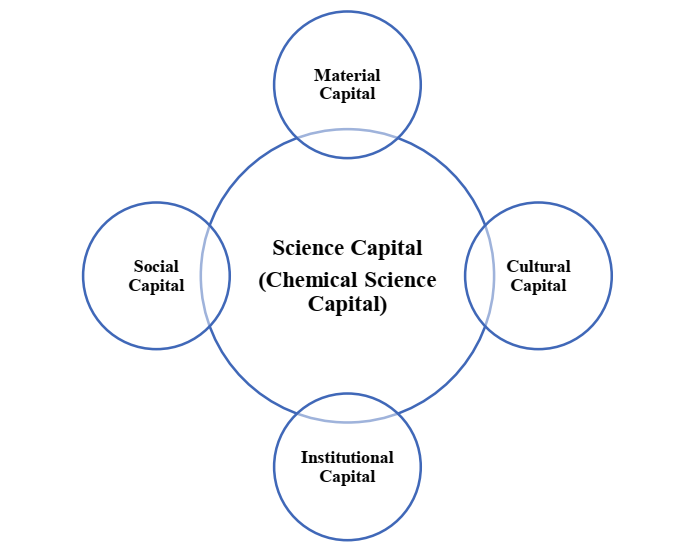
Figure 1. The four primary dimensions of CSC.
Material Capital: Material capital in CSC refers to the collection of tangible, quantifiable resources—those that are perceptible, tactile, and measurable—that individuals utilize or possess in chemical learning and practice to support and enhance chemical achievement and engagement, with the term "material" specifically denoting these physically accessible and objectively verifiable resources.
Science capital is not a static reserve but rather a dynamic process continually accumulated through practice[29,38], as exemplified when adolescents acquire scientific knowledge through material resources and progressively develop proficiency in their use, thereby transforming material capital into embodied capital[7]; consequently, an effective CSC assessment tool must evaluate both ownership of science-related material resources (e.g., chemistry textbooks, laboratory equipment) and their active utilization frequency for chemical learning and engagement, thus extending beyond mere possession to incorporate the practical application of these resources in educational contexts.
In summary, material capital within CSC encompasses both the possession of chemistry-related material resources and the frequency of their utilization for chemical learning.
Social Capital: Social capital within CSC refers to the non-material resources embedded in individuals' social networks that facilitate and enhance scientific achievement and engagement, reflecting one's proximity to science, with the term "social" denoting its origin in interpersonal relationships. Bourdieu's social capital theory posits that resources acquired through social networks constitute a vital pathway for capital accumulation. Sociological research identifies families—particularly parents—as primary agents of early scientific socialization, where parental socioeconomic status and scientific backgrounds directly shape adolescents' access to and quality of scientific resources. Empirical studies demonstrate significantly higher science engagement among students with parents in science-related professions[39]. Beyond parents, proximal science professionals in adolescents' social circles serve as critical reference groups, whose career choices and scientific attitudes model scientific identity formation. The routine scientific behaviors and attitudes of these networks reflect the intensity and orientation of the scientific cultural milieu surrounding adolescents, with robust evidence showing that teachers' pedagogical practices and peer groups' scientific interests profoundly influence individual science participation[33]. These science-adjacent social groups' daily scientific discourse and attitudes exert subtle yet pervasive effects on high school students' own scientific behaviors and outlooks, ultimately shaping their scientific engagement and accomplishments.
In summary, social capital—as a dimension of CSC that reflects high school students' proximity to science—encompasses family socioeconomic status, parental scientific qualifications, exposure to science professionals within their social networks, and the prevailing scientific behaviors and attitudes within these peer and mentor groups.
Institutional Capital: Institutional capital within CSC refers to the standardized and systematic organizational structures—such as science curricula, academic societies, and competitions—that facilitate scientific learning and research as non-material resources, with the term "institutional" denoting how these structures provide an orderly environment and effective support for high school students' scientific engagement through well-defined regulations and standards. Bourdieu's field theory emphasizes that the relatively stable configurations, operational rules, and relational patterns within institutionalized organizations significantly shape members' behavioral and cognitive dispositions, thereby forming their practical habitus[34]. An effective CSC assessment must transcend field boundaries to examine the interplay of resources across familial, educational, and societal domains. While chemistry curricula serve as the primary institutionalized vehicle for disseminating scientific culture, supplementary structures—including chemistry clubs, tutoring programs, and competitions—collectively provide systematic learning opportunities within school settings. These are complemented by personalized home-based learning arrangements (e.g., private tutoring) in familial contexts and public science outreach initiatives (e.g., science festivals, Chemistry Olympiads) in societal spheres, together creating an integrated ecosystem for developing chemical literacy and engagement.
Institutional capital within CSC fundamentally comprises the formal and informal organizational structures for scientific learning—both curricular and extracurricular—that collectively reflect and shape high school students' proximity to chemistry, serving as the institutional scaffolding that systematically facilitates their chemical engagement and literacy development.
Cultural Capital: Cultural capital within CSC encompasses the attitudes, perceptions, and cognitive frameworks toward science and its related resources that individuals acquire through socialization and experiential learning, reflecting societal valuation of science, the prevalence of science education, and the perceived status of scientific knowledge—termed "cultural" as these dispositions emerge and propagate within socio-cultural contexts. Bourdieu's cultural capital theory posits that domain-specific value judgments and behavioral tendencies (i.e., dispositions) constitute its core elements, directly shaping individuals' agentic and sustained participation[40]. In chemical education, students' attitudes toward chemistry as a discipline, chemists as professionals, and curricula as learning vehicles fundamentally determine their willingness to engage deeply, persevere through challenges, and derive satisfaction from the learning process, thereby critically influencing motivation, investment, and ultimate achievement. Such value attributions to chemical education systematically guide educational choices and career trajectories, as demonstrated by Archer et al.'s empirical work showing how perceptions of "the labor market value of science qualifications" directly predict future STEM participation[41]. When high school students recognize the professional advantages conferred by chemical diplomas—whether through enhanced employability or career mobility—they exhibit greater academic diligence and intentionality in chemical learning, strategically cultivating competencies for future chemical engagement and accomplishment[42].
In summary, cultural capital within CSC encompasses both attitudinal dispositions toward science and its related resources, as well as perceived utility of scientific credentials for employment prospects.
The correspondence between primary and secondary dimensions of CSC is presented in Table 2.
Table 2. Hierarchical dimensions of CSC
| Primary Dimensions | Secondary Dimensions | |
|---|---|---|
| Material capital | Chemistry-related material resources | |
| Frequency of using material resources to learn chemistry | ||
| Social capital | Recognition/Awareness of individuals engaged in scientific work | |
| Scientific qualifications within chemistry-related social groups | ||
| Attitude toward chemistry among chemistry-related social groups | ||
| Frequency of science-related daily activities related to chemistry | ||
| Institutional capital | Organizational forms for chemistry learning | |
| Cultural capital | Attitude toward chemistry and related resources | |
| Perceived utility of a chemistry degree for employment | ||
3. Science Capital Assessment
In the ASPIRES project at King's College London, Archer et al. developed a 14-item assessment tool[36] based on eight dimensions of science capital (Table 1) to examine the relationship between adolescents' science capital and science participation. These items cover dimensions such as perceived career value of science qualifications, frequency of out-of-school science discussions, parental attitudes toward science, and participation in science-related activities. The study employed a 5-point Likert scale (1=strongly disagree to 5=strongly agree) for each item, with the composite score representing a student's science capital measure.
Due to the unique sociocultural context of the United Kingdom, certain assessment items—such as "Science qualifications can help you access diverse career opportunities," "My teachers strongly encourage me to continue studying science after GCSEs," and "I don’t consider myself capable of pursuing any science subject at A-Level"—exhibit limited cross-national applicability. Furthermore, the evaluation tool’s behavioral descriptors for students with varying science capital levels remain overly generalized. For instance, the study equates high science capital with being male, Asian, from socioeconomically privileged backgrounds, or possessing significant cultural capital. Such broad categorizations offer limited utility for science educators seeking to develop targeted policies or pedagogical interventions to enhance students’ science capital. To support science educators and stakeholders in determining what to transform through educational practices, why such transformations are needed, and how to evaluate their effectiveness, subsequent research should refine the science capital assessment framework with greater granularity.
The assessment instrument developed by Archer et al. has been widely adopted in science capital research across multiple countries and has even influenced variable selection in PISA assessments. This well-validated tool demonstrates high reliability and validity, serving as the primary reference for science capital measurement in domestic studies. In her dissertation The Impact of Science Capital on Scientific Career Aspirations[43]. Wenjing Lu shows a 20-item scale adapted by Wenjing Lu for the Chinese context, based on Archer's framework. It includes items related to engagement with science media (e.g., videos, books), perceptions of science's utility in daily life, and support from teachers and parents for science learning. While retaining the 5-point Likert format, this scale does not fully address the synergies between family, school, and community science resources, highlighting the need for context-specific revisions in the current study.
Science capital constitutes not a static reserve but rather a dynamic process continuously constructed, accumulated, and transformed through sustained practices. Consequently, science capital assessment tools must incorporate process-oriented indicators—including the frequency of family science activities, the depth and frequency of school-based scientific inquiry, and the utilization efficiency of community science resources—to capture these dynamic accumulation mechanisms. Building upon Archer et al.'s foundational work, this study argues for expanding the evaluation framework to integrate multidimensional metrics: material resources across home, school, and societal contexts (e.g., laboratory equipment, library collections, science venues); science-oriented social networks (e.g., teacher-student/peer/parent interactions); and organizational forms of science activities (e.g., science clubs, competitions, public engagement events). Such a contextually grounded, cross-field, and process-sensitive assessment tool would provide both theoretical and empirical foundations for enhancing high school students’ CSC development.
4. Research Methodology
Item Response Theory (IRT) is a modern psychometric and educational measurement framework that characterizes examinees' responses to test items through two core parameter sets: (1) item parameters reflecting task properties, and (2) ability parameters representing latent traits of respondents[44]. The Rasch model, a unidimensional item response theory (IRT) framework, serves as a psychometrically rigorous approach for assessment development[41,45]. This logistic measurement model establishes a common interval scale that simultaneously calibrates examinee ability and item difficulty[46], thereby effectively addressing the sample-dependent limitations inherent in classical test theory (CTT)[47]. The earliest Rasch models encompass those originally developed by Georg Rasch, with the most widely implemented item response version expressed as:
(The model incorporates solely the examinee's latent trait parameter $\theta$ and the item difficulty parameter δ.)
The formula specifies the probability P(θ) of an examinee correctly answering item i, where θ denotes the latent trait parameter and δ represents the item difficulty parameter. In application, the Rasch model employs logarithmic transformation to situate both examinees and items on a common interval scale, thereby enabling objective, equidistant comparisons among examinees, among items, and between examinees and items. The implementation of the Rasch model requires fulfillment of specific psychometric assumptions.
(1) Unidimensionality
The unidimensionality assumption stipulates that the Rasch model measures exclusively one dominant latent trait, which may manifest as ability, interest, or experiential knowledge. While examinees might draw upon multiple psychological attributes during item responses, the model specifically targets the primary underlying construct for measurement purposes.
(2) Local Independence
Local independence denotes the measurement principle that an examinee's response probability to any given item depends exclusively on their latent trait level when all other variables are held constant[48]. Within Rasch modeling, the fulfillment of the unidimensionality assumption inherently guarantees the satisfaction of local independence.
(3) Model-Data Fit
The fit indices Infit MNSQ (information-weighted mean square) and Outfit MNSQ (outlier-sensitive mean square) quantify the congruence between observed item characteristics and theoretical model expectations. The standardized residual ZSTD serves as a sample-size-adjusted calibration of these fit statistics[47]. When data demonstrate adequate fit to the Rasch model, the measurement scale achieves interval-level properties. Fit evaluation encompasses both person-fit and item-fit analyses.
Table 3 presents the parameter estimates derived from the Rasch analysis.
Table 3. Rasch model parameters
| Quality Metrics | Conceptual Definitions | Parameter Estimates |
|---|---|---|
| Reliability | The consistency and stability of the measurement instrument. | Acceptable range:[0,1], with values above 0.8 indicating good fit[36]. |
| Separation | Measures the dispersion of person ability and item difficulty parameters, with higher values indicating better discrimination among examinees. | values above 2 indicating good fit[46]. |
| Item-Model Fit | The agreement between observed response patterns and theoretical model predictions. | MNSQ (Infit/Outfit):[0.5,1.5] with 1.0 indicating ideal fit; ZSTD (Infit/Outfit):[-2, +2] with 0 indicating ideal fit[49]. |
| Unidimensionality | Assessment of a single latent trait. | Acceptable range:[-0.4, 0.4][50]. |
| Point-Measure Correlation | Item consistency with the total scale. | Acceptable range:[0,1], with 1.0 indicating ideal fit[51]. |
|
Person-Item Wright Map |
The correspondence between person ability measures and item difficulty calibrations. | The Wright Map displays a normative distribution pattern, with both item difficulties and person abilities ideally distributed within the range of -2 to +2 logits[52]. |
The Rasch model enables precise detection of item bias through fit statistics (Infit/Outfit MNSQ) and unidimensionality testing, making it particularly suitable for assessing latent constructs like science capital[53]. Empirical studies have demonstrated the distinct advantages of the Rasch model in developing science education assessment instruments, as evidenced by the validation of science literacy scales developed by Xiufeng Liu and colleagues[45]. Compared to traditional methods like factor analysis, the Rasch model simultaneously provides item quality diagnostics and individual ability estimates, thereby better aligning with the core requirements of assessment tool development.
The study employed Winsteps software to conduct Rasch model analysis, evaluating the assessment tool's overall quality, item fit, unidimensionality, and the correspondence between sample ability and item difficulty distributions, thereby identifying problematic items that exhibited excessive difficulty or violated unidimensionality assumptions, which were subsequently modified, replaced, or eliminated to refine the instrument.
5. Research Objectives
This study addresses critical gaps by developing a CSC assessment tool using Rasch modeling, aiming to mitigate the "flight from science" phenomenon and provide empirical evidence for enhancing high school students' future engagement with chemistry. The investigation focuses on two core research questions:
(1) What constitutes an appropriate assessment tool for assessing CSC among high school students?
(2) What are the psychometric properties of the developed CSC measurement instrument?
6. Development and Refinement of the Measurement Instrument
Building upon the established framework comprising four primary dimensions and nine secondary dimensions of CSC, this study designed a two-way specification table and developed the High School Students’ Chemical Science Capital Inventory. Each item is scored on a 5-point Likert scale (1="strongly disagree" to 5="strongly agree"), with the composite score representing an individual's total CSC measure. The measurement instrument underwent two rigorous validation phases (pilot and formal testing), with subsequent revisions reducing the item pool from 34 to 28 carefully calibrated questions.
During the revision phase, we conducted rigorous quality screening of potentially problematic items. Two questions assessing chemistry learning material resources and organizational formats within school settings exhibited potential quality concerns: one exceeded the acceptable Outfit MNSQ range (0.5–1.5), while another failed the unidimensionality test (outside ±0.4). Given that all participants were students from the same provincial-key high school in a capital city—an institution with abundant chemistry learning resources and diverse instructional formats—we hypothesized contextual homogeneity may have compromised item fit statistics. However, point-measure correlation coefficients (PT-MEASURE CORR) confirmed both items demonstrated strong relationships with the overall assessment tool construct, so they were retained.
We then refined or removed additional items.
(1) Wording Optimization
Items were modified to enhance contextual validity:
Original phrasing referencing household equipment (e.g., “My home has many simple chemistry experiment instruments/models...” and “I often learn chemistry by conducting experiments at home...”) was revised to reflect school-based resources:
“My school provides sufficient resources for chemistry learning (e.g., labs, digital tools like smart boards/tablets, chemistry books, ...”
“We often conduct chemical experiments, frequently learn chemistry through information technology equipment, and regularly read popular science books in the school library or reading corner.”
(Rationale: Most experimental instruments remain school-owned; family possession is uncommon)
(2) Problematic Item Removal
Items showing inflated Infit/Outfit MNSQ values were deleted due to ecological implausibility:
The statement “Among my close friends, someone works in a chemistry-related profession” was removed.
(Justification: high school students’ social networks rarely include professionals outside educational environments)
The finalized assessment tool is presented in Appendix. As shown in the Appendix, the revised chemistry science capital assessment tool consists of a total of 28 test items: 7 items on material capital, 12 on social capital, 3 on institutional capital, and 6 on cultural capital. Material capital covers the availability and frequency of use of chemistry-related resources that students may encounter at home, school, or in society. Social capital focuses on understanding the relevance to chemistry science among the individuals in students' personal networks—such as relatives, friends, and parents—as well as their scientific qualifications, attitudes toward science, and the frequency of interactions with students. Institutional capital mainly addresses organizational forms for participating in chemistry learning across different environments such as family, school, and society. Cultural capital primarily concerns students’ attitudes toward chemistry, chemists, chemistry curricula, and their perception of employment prospects associated with a chemistry degree. The detailed correspondence was presented in Table 4.
Table 4. Optimized two-way specification table for the high-school chemistry science capital assessment tool
| Primary Dimensions | Secondary Dimensions | Tertiary Dimensions | Item Number |
|---|---|---|---|
| Material capital | Chemistry-related material resources | Chemistry-related material resources in the family | Q4 |
| Chemistry-related material resources in school | Q7 | ||
| Chemistry-related material resources in society | Q9 | ||
| Frequency of using material resources to learn chemistry | Frequency of using family chemistry-related material resources to learn chemistry | Q5, Q6 | |
| Frequency of using school chemistry-related material resources to learn chemistry | Q8 | ||
| Frequency of using societal chemistry-related material resources to learn chemistry | Q10 | ||
| Social capital | Recognition/Awareness of individuals engaged in scientific work | Number of individuals in one's social network engaged in science-related careers | Q3 |
| Scientific qualifications within chemistry-related social groups | Parents' scientific qualifications | Q1, Q2 | |
| Family socioeconomic status | Q11 | ||
| Attitude toward chemistry among chemistry-related social groups | Parents' attitude toward chemistry | Q12, Q13 | |
| Teachers' attitude toward chemistry | Q14, Q15, Q16 | ||
| Peers' attitude toward chemistry | Q17 | ||
| Frequency of science-related daily activities related to chemistry | Frequency of parents engaging in daily activities related to chemistry | Q18 | |
| Frequency of classmates/friends engaging in daily activities related to chemistry | Q19 | ||
| Institutional capital | Organizational forms for chemistry learning | Organizational forms for learning chemistry at home | Q20 |
| Organizational forms for learning chemistry at school | Q21 | ||
| Organizational forms for learning chemistry in society | Q22 | ||
| Cultural capital | Attitude toward chemistry and related resources | Attitude toward chemistry | Q23 |
| Attitude toward chemists | Q24, Q25 | ||
| Attitude toward the chemistry curriculum | Q26 | ||
| Perceived utility of a chemistry degree for employment | Perception of employment prospects for a chemistry degree | Q27, Q28 |
7. Research Participants
The study participants were recruited from two high schools in City S and City T of H Province, China, with independent samples used for the pilot and main validation phases. During the pilot testing phase, 130 copies of the initial measurement instrument were administered at one high school in City S, yielding 122 valid responses after removing incomplete or invalid submissions, representing a 93.85 percent response rate. For the main validation study, the refined measurement instrument was distributed to 354 students across two high schools in City T and City S, with 346 valid responses collected after quality control screening, achieving a 97.74 percent response rate. As shown in Table 5, the numbers of students in Grades 10–12 are fairly close, and the gender ratio is approximately 1:1, aligning well with the current demographic profile of senior-high-school students.
Table 5. Sample distribution of CSC assessment in formal testing
| Gender | Grade Level | |||
|---|---|---|---|---|
| Male | Female | Grade 10 | Grade 11 | Grade 12 |
| 179 | 167 | 102 | 142 | 102 |
8. Research Findings
The results demonstrate that all metrics of the assessment tool satisfy the fundamental assumptions of the Rasch model within acceptable parameters, indicating good overall quality and appropriateness for evaluating high school students’ CSC. The collected data are suitable for Rasch model analysis to characterize current states of CSC among the target population.
8.1. The measurement instrument demonstrates satisfactory global fit statistics and good item quality.
The examinee's ability is slightly lower than the item difficulty, with a minor discrepancy between the two, indicating a good match between item difficulty and examinee ability. As shown in Table 6, the examinee reliability is 0.92 (>0.8), and the item reliability is 0.99 (>0.9), demonstrating high reliability;the examinee separation index is 3.38 (>2), and the item separation index is 9.13 (>3), indicating good separation. This suggests that examinees can effectively distinguish item difficulty levels, while the items can accurately differentiate examinee abilities[54].
Table 6. Analysis of global fit statistics for the assessment tool
| Measure | S. E. | Infit | Outfit | Separation | Reliability | |||
|---|---|---|---|---|---|---|---|---|
| MNSQ | ZSTD | MNSQ | ZSTD | |||||
| Person | -0.03 | 0.25 | 0.98 | -0.3 | 1.03 | -0.3 | 3.38 | 0.92 |
| Item | 0.00 | 0.07 | 0.99 | -0.3 | 1.02 | 0 | 9.13 | 0.99 |
The item fit indices reflect the degree to which each item conforms to the Rasch model. Linacre (2020) suggests that when analyzing data from smaller samples, researchers should primarily focus on the MNSQ indices[49]. For the formal assessment tool, both the Infit MNSQ and Outfit MNSQ values for all items fell within the acceptable range of 0.5 to 1.5, allowing for the disregard of ZSTD values (Table 7). This indicates satisfactory item-person fit and general conformity with Rasch model assumptions. In Table 7, the PT-MEASURE CORR ranged from 0.27 to 0.79, showing positive correlations. These results confirm that the items demonstrate good quality and effectively approximate the assessment objectives, meeting ideal requirements.
Table 7. Item fit statistics for the final assessment tool
|
Item Number |
Measure | Infit | Outfit | PT-MEASURE CORR |
Item Number |
Measure | Infit | Outfit | PT-MEASURE CORR | ||||
|---|---|---|---|---|---|---|---|---|---|---|---|---|---|
| MNSQ | ZSTD | MNSQ | ZSTD | MNSQ | ZSTD | MNSQ | ZSTD | ||||||
| 1 | 1.50 | 1.39 | 2.6 | 1.46 | 2.0 | 0.39 | 15 | -0.86 | 1.13 | 1.7 | 1.12 | 1.6 | 0.46 |
| 2 | 1.39 | 1.38 | 2.8 | 1.40 | 3.4 | 0.33 | 16 | -0.10 | 0.94 | -0.8 | 0.97 | -0.4 | 0.54 |
| 3 | 2.35 | 1.27 | 1.5 | 1.48 | 2.8 | 0.27 | 17 | -0.11 | 0.58 | -3.9 | 0.59 | -3.8 | 0.79 |
| 4 | 0.87 | 0.84 | -2.4 | 0.92 | -1.1 | 0.68 | 18 | 0.50 | 0.85 | -2.2 | 0.85 | -2.2 | 0.68 |
| 5 | 0.95 | 0.76 | -1.6 | 0.89 | -1.4 | 0.64 | 19 | 0.07 | 0.68 | -3.1 | 0.68 | -2.9 | 0.71 |
| 6 | -0.28 | 0.89 | -1.5 | 0.89 | -1.5 | 0.64 | 20 | 0.69 | 0.79 | -1.2 | 0.90 | -1.4 | 0.62 |
| 7 | -0.65 | 0.97 | -0.4 | 0.96 | -0.5 | 0.73 | 21 | 0.55 | 0.91 | -1.3 | 0.93 | -1.0 | 0.62 |
| 8 | -1.50 | 1.26 | 1.3 | 1.19 | 1.4 | 0.46 | 22 | -1.08 | 0.92 | -1.1 | 0.88 | -1.6 | 0.68 |
| 9 | -0.06 | 1.32 | 2.1 | 1.33 | 2.2 | 0.61 | 23 | 0.12 | 0.99 | -1.1 | 1.02 | 0.2 | 0.49 |
| 10 | 0.34 | 1.02 | 0.4 | 1.03 | 0.4 | 0.58 | 24 | 0.44 | 0.99 | -0.1 | 1.14 | 1.9 | 0.44 |
| 11 | 0.32 | 1.22 | 1.9 | 1.21 | 2.7 | 0.60 | 25 | -0.48 | 0.93 | -0.1 | 0.98 | -0.3 | 0.75 |
| 12 | 0.14 | 1.01 | 0.1 | 1.07 | 1.0 | 0.67 | 26 | -0.88 | 1.05 | 0.7 | 1.03 | 0.5 | 0.70 |
| 13 | -0.89 | 0.90 | -1.5 | 0.87 | -1.9 | 0.58 | 27 | -1.01 | 0.80 | -1.9 | 0.79 | -1.1 | 0.71 |
| 14 | -1.37 | 1.06 | 0.9 | 0.99 | -0.1 | 0.49 | 28 | -0.96 | 0.77 | -1.4 | 0.79 | -1.2 | 0.68 |
8.2. The measurement instrument demonstrates satisfactory unidimensionality.
Pilot testing showed that most items fell within the prescribed -0.4 to +0.4 range, confirming their unidimensional assessment properties. Seven items initially appeared outside this acceptable range but were refined through careful examination and modification. As shown in Figure 2, only three items remained beyond the threshold in the final administration. The overall variance explained by the standardized residuals largely satisfied the unidimensionality assumption for the measurement instrument as a whole.
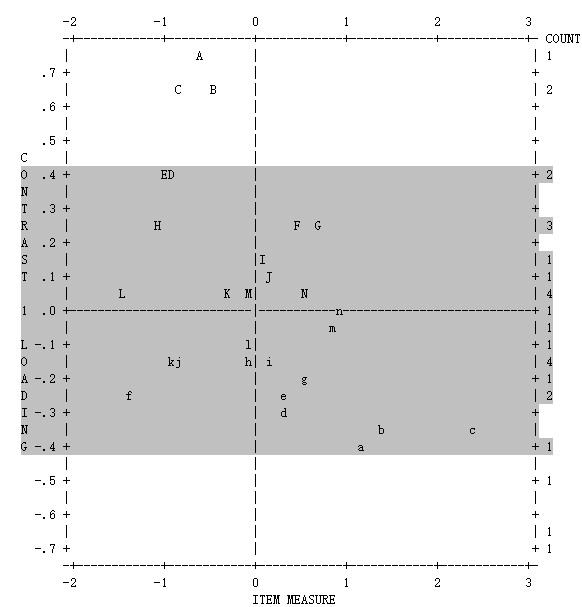
Figure 2. Standardized residual plot of items in the formal testing of the measurement instrument.
The measurement instrument was solely influenced by high school students' chemistry-related science capital, with no other confounding factors. During the pilot testing, seven items initially fell outside this optimal range. After item revision and verification, in the formal assessment, three items (labeled A, B, and C, corresponding to Q7, Q25, and Q26) remained outside the recommended range (Figure 2). Nevertheless, these items exhibited both Infit and Outfit MNSQ values (Table 7) within the acceptable 0.5-1.5 range, with values approximating the ideal value, satisfying fundamental Rasch model assumptions. Moreover, their PT-MEASURE CORR surpassed 0.70, signaling a robust link to chemistry science capital and supporting the items’ inclusion in the final tool. Standardized-residual analysis also showed adequate variance explained, satisfying the unidimensionality requirement.
8.3. The CSC of high school students was classified into four proficiency levels.
Through logit transformation, item difficulty and examinee ability are placed on the same scale[47], allowing for the generation of a Wright map that visually represents the alignment between student ability and item difficulty. As shown in Figure 3, all examinee abilities and item difficulties (except for Q3) fall within the range of -2 to +2 logits, in the revised assessment tool. The item “Number of family members/relatives/friends working in science-related fields” underwent rigorous evaluation. Our analysis reveals two critical insights: contextual limitation (High school students primarily navigate social networks within schools and families. While they interact with science teachers daily, these figures are rarely perceived as professional scientific resources—students predominantly reference peer relationships when considering science connections.) and psychometric performance (Consequently, the item demonstrated elevated difficulty coefficients beyond ideal parameters, suggesting potential misalignment with respondents lived experiences.). Despite these challenges, we retained the item because it serves as essential operationalization of the indicator “Recognition of individuals engaged in scientific work”—a fundamental dimension assessing students' awareness of science-related human capital. The observed discrepancy between theoretical construct and developmental reality provides valuable insights into measurement validity under ecological constraints. The item difficulty distribution sufficiently covers varying ability levels among examinees, with the mean examinee ability closely matching the mean item difficulty. This demonstrates an overall strong alignment between student ability and item difficulty.
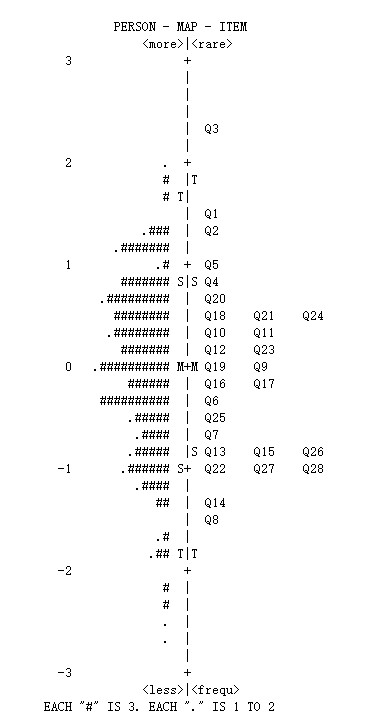
Figure 3. Wright map from the formal testing of the assessment tool.
Based on the item difficulty and examinee ability in the Wright map (Figure 3), high school students’ CSC was split into four levels(in Table 8), via the bookmark standard-setting method in ascending order of Rasch logit measures[55]. This establishes a progressive competency framework reflecting increasing mastery of CSC.
Table 8. Classification of high school students' CSC proficiency levels
| Level | Examinee Ability Measures in Rasch Logits |
|---|---|
| Level 1 | (-∞,-0.97] |
| Level 2 | (-0.97,0.3] |
| Level 3 | (0.3, 1.75] |
| Level 4 | (1.75, +∞] |
A comprehensive analysis of the behavioral characteristics demonstrating CSC proficiency was conducted for high school students at all four competency levels (Levels 1-4), with the detailed behavioral indicators presented in Table 9. For each proficiency level, we first analyze and describe the exploratory purpose of each test item, then summarize the purposes of all items to formulate students' behavioral performance at different levels. For example, examinees with a proficiency value in Level 1 fall within the interval (-∞, -0.97], which includes items Q8, Q14, Q22, and Q27. Item 8 is "We often conduct chemical experiments, frequently learn chemistry through information technology equipment, and regularly read popular science books in the school library or reading corner". This item pertains to "Frequency of Using School Chemistry-Related Material Resources for Learning Chemistry," aiming to understand students' “frequency of utilizing material resources” to learn chemistry under the dimension of "material capital." Therefore, Level 1 students "actively engaged with available chemical learning resources" within school settings. Item 14 is " My teachers have explained that chemistry is very useful for my future". This item relates to "Teachers' Attitude Toward Chemistry" and aims to understand the attitude of chemistry-related social groups toward chemistry from the perspective of "social capital." Thus, chemistry teachers of Level 1 students highly value their learning of chemistry and often tell them that chemistry is beneficial for their future, which consistently modeled positive attitudes toward the chemistry discipline. Item Q22 is “Outside of school, I often participate in extracurricular chemistry interest classes, popular science activities, summer study programs, technological innovation projects, chemistry clubs, summer camps, ....”. This item falls under “Organizational Forms for Learning Chemistry in Society” and seeks to explore organizational forms of chemistry learning under the dimension of "institutional capital." Hence, Level 1 students often participate in “chemistry-focused enrichment programs, science outreach activities, and summer research projects” outside of school. Item 27 is “I believe that employment prospects for chemistry-related majors are promising”. This item concerns “Perception of Employment Prospects for a Chemistry Degree” and aims to assess students' perception of the usefulness of a chemistry degree for employment under the dimension of "cultural capital." Consequently, Level 1 students can recognize that employment prospects for chemistry-related majors are promising. Based on the above analysis, the behavioral performance description for Level 1, as shown in the Table 9, was developed.
Table 9. CSC by proficiency level in high school students
| Level | Behavioral Performance Description |
|---|---|
| Level 1 | The students demonstrated awareness of favorable employment prospects in chemistry-related fields. Within school settings, they actively engaged with available chemical learning resources. Extracurricular participation frequently included chemistry-focused enrichment programs, science outreach activities, and summer research projects. Notably, their chemistry teachers consistently modeled positive attitudes toward the discipline. |
| Level 2 | The students had developed positive attitudes toward chemistry as an academic discipline, curricular subject, and professional qualification, while demonstrating initial accurate conceptions of chemists' professional roles. Their educational environments (school and community) provided substantial chemistry-related learning resources that students regularly utilized for academic purposes. Additionally, they frequently engaged with digital chemistry learning materials through online media at home. Notably, these high school students' primary social networks—including parents, teachers, and peers—consistently exhibited positive attitudes toward chemistry. |
| Level 3 | The students came from high socioeconomic status backgrounds and had access to extensive chemistry-related learning resources across home, school, and community settings, which they actively utilized. They engaged with diverse organizational formats for chemistry learning and maintained positive attitudes toward chemistry as a discipline, chemists as professionals, chemistry curricula, and chemistry-related career prospects. Notably, their parents possessed advanced scientific qualifications, and their primary social networks (parents, teachers, and peers) consistently demonstrated positive attitudes toward chemistry, regularly participating in chemistry-related daily activities. |
| Level 4 | The students demonstrated personal connections with science professionals, came from high socioeconomic status family backgrounds, had access to extensive chemistry-related learning resources across home, school, and community settings which they regularly utilized for chemistry learning, participated in diverse chemistry learning formats, and maintained positive attitudes toward chemistry as a discipline, chemists as professionals, chemistry curricula, and chemistry-related career prospects, while their parents possessed advanced scientific qualifications and their primary social networks (including parents, teachers, and peers) consistently exhibited positive attitudes toward chemistry and regularly engaged in chemistry-related daily activities. |
9. Conclusions and Discussion
This study developed an assessment framework for CSC comprising four primary dimensions (material capital, social capital, institutional capital, and cultural capital) and nine secondary dimensions. Material capital refers to tangible resources that individuals utilize or possess in scientific learning and practice activities to support and enhance scientific achievement and participation, including access to chemistry-related materials and frequency of their use in chemistry learning. Social capital represents intangible resources available through social networks that facilitate scientific engagement, encompassing family socioeconomic status, parental scientific qualifications, connections with science professionals, and daily scientific behaviors/attitudes within relevant social groups. Institutional capital consists of standardized organizational formats that promote scientific learning, such as chemistry curricula, science clubs, and competitions, implemented across school, family, and community settings. Cultural capital denotes individuals' attitudes and cognitions toward science developed through socialization, including perceptions of science-related resources and the career value of scientific qualifications.
The research established a high-quality assessment tool for assessing high school students’ CSC. Following the theoretical framework, the tool was developed through two rounds of pilot testing and refinement, resulting in a final version with 28 items. Winsteps software analysis confirmed excellent psychometric properties: item reliability (0.99), separation index (9.13), and satisfactory unidimensionality and model fit indices, all meeting Rasch Assessment requirements.
The study identified four proficiency levels of CSC with distinct behavioral characteristics. Level 1 students recognized chemistry career prospects but only developed institutional capital within school contexts. Level 2 students demonstrated emerging material and cultural capital alongside school-based institutional capital. Level 3 students exhibited well-developed material, cultural, and institutional capital. Level 4 students possessed comprehensive capital across all four dimensions, including robust social capital.
Drawing on Bourdieu's capital theory and Archer's conceptualization of science capital, this work advances the theoretical framework by incorporating sociocultural variations and examining resource synergies across family, school, and community contexts. The developed assessment tool enables chemistry educators to evaluate students' access to chemistry resources, organizational learning formats, science-related social connections, and scientific attitudes/cognitions. These findings provide both theoretical foundations for future research and practical tools to address STEM attrition through personalized chemistry education interventions.
Simultaneously, we critically examine whether disciplinary contextualization — applied to existing science capital dimensions — sufficiently operationalizes CSC. Fundamental questions persist regarding the ontological relationship between general science capital and its chemistry-specific manifestation, including debates about the necessity of formally establishing CSC as a distinct construct. We contend that developing such a framework is imperative not merely for translating abstract science capital into chemistry contexts, but more crucially, to systematically highlight chemistry’s unique epistemic features through specialized indicators rather than generic scientific resources. Accordingly, this study undertakes a pioneering exploration of CSC or “chemical capital”. We present this work to stimulate scholarly dialogue concerning the concept’s theoretical validity, practical applicability, and measurement utility.
While the measurement instrument demonstrates improved psychometric properties, certain items warrant further refinement. Building upon the established conceptual architecture, subsequent research will pursue iterative instrument reconstruction through cross-validation with diverse student cohorts, integration of learning progression models or exploration of dynamic capital conversion mechanisms across educational stages. This ongoing program aims to advance both theoretical specificity in STEM capital research and practical efficacy in chemistry education interventions.
Conflicts of Interest
The authors declare that the research was conducted in the absence of any commercial or financial relationships that could be construed as a potential conflict of interest.
Funding
This article is supported by the 2024 National Social Science Foundation of China (NSSFC) General Project in Education —— "Research on the Evaluation Standards of Secondary School Students' Scientific Literacy for the Intelligent Era" (Grant No. BTA24035).
Reference
[1] D. Kennepohl. “The Science Gap in Canada: A Post-Secondary Perspective.” Can. J. Educ. Adm. Policy 2009, 93, 1–26.
[2] P. Barmby, P. M. Kind, K. Jones. “Examining changing attitudes in secondary school science.” Int. J. Sci. Educ. 2008, 30, 8, 1075–1093.
[3] ACOLA. “STEM: Country comparisons.” 2013.
[4] H. of Lords. “Higher education in science, technology, engineering and mathematics(STEM)subjects.” 2012.
[5] US President’s Council of Advisors on Science and Technology. “Report to the president and congress: Designing a digital future: federally funded research and development in networking and information technology.” 2010.
[6] P. Bourdieu. “Distinction: A social critique of the judgement of taste.” Harv. UP 1984, 287–318.
[7] L. Archer, J. DeWitt, B. Willis. “Adolescent boys’ science aspirations: Masculinity, capital, and power.” J. Res. Sci. Teach. 2014, 51, 1, 1–30.
[8] S. Claussen, J. Osborne. “Bourdieu’s notion of cultural capital and its implications for the science curriculum.” Sci. Educ. 2013, 97, 1, 58–79.
[9] R. Nice. “Outline of a Theory of Practice.” 1977.
[10] P. Bourdieu, J. G. Richardson, others. “Handbook of Theory and Research for the Sociology of Education.” Forms Cap. 1986, 241–258.
[11] G. D. Israel, L. J. Beaulieu, G. Hartless. “The influence of family and community social capital on educational achievement.” Rural Sociol. 2001, 66, 1, 43–68.
[12] L. Annette. “Unequal childhoods: Class, race, and family life.” 2003.
[13] N. D. Martin. “Social capital, academic achievement, and postgraduation plans at an elite, private university.” Sociol. Perspect. 2009, 52, 2, 185–210.
[14] L. W. Perna, M. A. Titus. “The relationship between parental involvement as social capital and college enrollment: An examination of racial/ethnic group differences.” J. High. Educ. 2005, 76, 5, 485–518.
[15] G. D. Sandefur, A. M. Meier, M. E. Campbell. “Family resources, social capital, and college attendance.” Soc. Sci. Res. 2006, 35, 2, 525–553.
[16] D. Reay, M. David, S. Ball. “Making a difference?: Institutional habituses and higher education choice.” Sociol. Res. Online 2001, 5, 4, 14–25.
[17] C. Vincent, S. J. Ball. “Childcare, choice and class practices: Middle class parents and their children.” 2006.
[18] S. L. Dika, K. Singh. “Applications of social capital in educational literature: A critical synthesis.” Rev. Educ. Res. 2002, 72, 1, 31–60.
[19] A. Prieur, M. Savage. “Emerging forms of cultural capital.” Eur. Soc. 2013, 15, 2, 246–267.
[20] P. Bourdieu. “The social structures of the economy.” 2005.
[21] P. Bourdieu. “Science of science and reflexivity.” 2004.
[22] L. Archer, E. Dawson, J. DeWitt, A. Seakins, B. Wong. “‘Science capital’: A conceptual, methodological, and empirical argument for extending bourdieusian notions of capital beyond the arts.” J. Res. Sci. Teach. 2015, 52, 7, 922–948.
[23] L. Archer, J. Moote, E. Macleod, B. Francis, J. DeWitt. “ASPIRES 2: Young people’s science and career aspirations, age 10–19.” 2020.
[24] A. Wilson-Lopez, C. Sias, A. Smithee, I. M. Hasbún. “Forms of science capital mobilized in adolescents’ engineering projects.” J. Res. Sci. Teach. 2018, 55, 2, 246–270.
[25] H. Yang, B. Jin. “Science Capital: Concept, Measurement, and Public Participation in Scientific Research.” Stud. Sci. Sci. 2022, 40, 10, 1737–1744.
[26] X. Du, W. Zhao, J. Wang. “Science Capital and Its Influence on 15-year-old Student’s STEM Career Expectations.” Stud. Sci. Sci. 2018, 36, 11, 1928–1937.
[27] L. Li, H. Zhu, S. Pan. “How Students’ Science Capital Influences their Career Aspiration in Western China.” J. East China Norm. Univ. Educ. Sci. 2020, 38, 07, 117–126.
[28] X. Du, B. Wong. “Science career aspiration and science capital in China and UK: A comparative study using PISA data.” Int. J. Sci. Educ. 2019, 41, 15, 2136–2155.
[29] J. DeWitt, L. Archer, A. Mau. “Dimensions of science capital: Exploring its potential for understanding students’ science participation.” Int. J. Sci. Educ. 2016, 38, 16, 2431–2449.
[30] W. Fan, H. Zhang, L. Li. “Promoting the Construction of Students’ Science Capital: a New Perspective on Science Education.” China Educ. Technol. 2020, 03, 42–48.
[31] D. Hodson. “Learning science, learning about science, doing science: Different goals demand different learning methods.” Int. J. Sci. Educ. 2014, 36, 15, 2534–2553.
[32] Y. YIN. “REFLECTION ON THE QUALITY AND EQUITY OF CHINESE BASIC EDUCATION-FROM PISA 2018 RESULTS: WHERE ALL STUDENTS CAN SUCCEED.” J. Contemp. Educ. Res. Учредители Bio-Byword Sci. Publ. Pty Ltd 2020, 4, 10.
[33] A. V. Maltese, R. H. Tai. “Pipeline persistence: Examining the association of educational experiences with earned degrees in STEM among US students.” Sci. Educ. 2011, 95, 5, 877–907.
[34] N. M. Webb. “The teacher’s role in promoting collaborative dialogue in the classroom.” Br. J. Educ. Psychol. 2009, 79, 1, 1–28.
[35] A. L. Reschly, S. L. Christenson. “Handbook of research on student engagement.” 2012.
[36] L. Archer, J. DeWitt, J. Osborne, J. Dillon, B. Willis, B. Wong. “Science aspirations, capital, and family habitus: How families shape children’s engagement and identification with science.” Am. Educ. Res. J. 2012, 49, 5, 881–908.
[37] J. DeWitt, L. Archer, J. Osborne. “Science-related aspirations across the primary–secondary divide: Evidence from two surveys in England.” Int. J. Sci. Educ. 2014, 36, 10, 1609–1629.
[38] W. Lu. “Research on the influence of science capital on science career aspirations.” 2020.
[39] P. Bourdieu, L. Wacquant. “Symbolic capital and social classes.” J. Class. Sociol. 2013, 13, 2, 292–302.
[40] R. Dubos. “Social capital: Theory and research.” 2017.
[41] Z. Wang, S. Chi, M. Luo, Y. Yang, M. Huang. “Development of an instrument to evaluate high school students’ chemical symbol representation abilities.” Chem. Educ. Res. Pract. 2017, 18, 4, 875–892.
[42] P. Bourdieu, J.-C. Passeron. “Reproduction in education, society and culture.” 1990, 4.
[43] H. Xu, Y. Zhao, Y. Chen, N. Luo. “A new exploration of factors influencing the formation of science career aspirations among students aged 10-19: A review of the UK’s ASPIRES 2 project.” Stud. Sci. Pop. 2022, 17, 04, 40-47+103.
[44] Q. Zhao. “Development Summary of IRT and Application in Education Measurement of IRT.” 2008.
[45] X. Liu, W. J. Boone. “Applications of Rasch measurement in science education.” 2006.
[46] P. W. Duncan, R. K. Bode, S. M. Lai, S. Perera, G. A. in N. A. Investigators, others. “Rasch analysis of a new stroke-specific outcome scale: the Stroke Impact Scale.” Arch. Phys. Med. Rehabil. 2003, 84, 7, 950–963.
[47] T. G. Bond, C. M. Fox. “Applying the Rasch Model: Fundamental Measurement in the Human Sciences.” 2007.
[48] Y. Yang. “Research on Chemical Subject Competency and Its Assessment.” 2012.
[49] J. M. Linacre, others. “What do infit and outfit, mean-square and standardized mean.” Rasch Meas. Trans. 2002, 16, 2, 878.
[50] B. D. Wright. “Reasonable mean-square fit values.” Rasch Meas Transac 1994, 8, 370.
[51] X. Lin, M. Li, M. Wang, Y. Zuo, S. Zhu, Y. Zheng, X. Lin, M. Yu, E. L. Lamoureux. “Validation of Catquest-9SF questionnaire in a Chinese cataract population.” PLoS One 2014, 9, 8, e103860.
[52] J. Linacre. “A user’s guide to WINSTEPS:Rasch-model computer programs.” 2020.
[53] B. D. Wright, G. N. Masters. “Rating Scale Analysis: Rasch Measurement.” 1982.
[54] B. D. Wright, M. Stone. “Measurement essentials.” 1999.
[55] P. Chen. “A brief discussion on key technologies in standard setting:Experiences from China’s large-scale assessment programs.” China Exam. 2022, 08, 48–56.
Appendix.
Chemical Science Capital Measurement Instrument (Formal Testing)
Dear Students:
Thank you for participating in this survey, which aims to understand your experiences and perspectives related to chemistry learning. All responses are anonymous, and there are no right or wrong answers. Your data will remain strictly confidential and will be used solely for research purposes.
Section 1: Basic Information
Gender: ⬜Male ⬜Female
Grade Level: _________
Section 2: Please select the option that best matches your situation
1.Father’s highest education level.
A. High school or below B. Associate degree C. Bachelor’s degree
D. Master’s degree E. Doctoral degree
2. Mother’s highest education level.
A. High school or below B. Associate degree C. Bachelor’s degree
D. Master’s degree E. Doctoral degree
3. Number of family members/relatives/friends working in science-related fields (e.g., chemistry, physics, biology, medicine, geography, astronomy, environmental science, ...)
A. 0 B. 1 C. 2 D. 3 E. More than 3
4. My household has many chemistry-related
books.
A. Strongly agree B. Agree C. Neutral D. Disagree E. Strongly
disagree
5. I often study chemistry by reading extracurricular books at home.
A. Strongly agree B. Agree C. Neutral D. Disagree E. Strongly disagree
6. I often browse chemistry-related short videos or popular science content online at home.
A. Strongly agree B. Agree C. Neutral D. Disagree E. Strongly disagree
7. My school provides sufficient resources for chemistry learning (e.g., labs, digital tools like smart boards/tablets, chemistry books, ...)
A. Strongly agree B. Agree C. Neutral D. Disagree E. Strongly disagree
8. We often conduct chemical experiments, frequently learn chemistry through information technology equipment, and regularly read popular science books in the school library or reading corner.
A. Strongly agree B. Agree C. Neutral D. Disagree E. Strongly disagree
9. My neighborhood has science museums, exhibition centers, libraries, or youth activity centers.
A. Strongly agree B. Agree C. Neutral D. Disagree E. Strongly disagree
10. I often visit science museums, exhibition centers, or libraries.
A. Strongly agree B. Agree C. Neutral D. Disagree E. Strongly disagree
11. My family can financially support my participation in expensive extracurricular science programs or the purchase of high-cost learning tools.
A. Strongly agree B. Agree C. Neutral D. Disagree E. Strongly disagree
12. At least one of my parents finds chemistry interesting.
A. Strongly agree B. Agree C. Neutral D. Disagree E. Strongly disagree
13. At least one of my parents believes chemistry is useful for my future.
A. Strongly agree B. Agree C. Neutral D. Disagree E. Strongly disagree
14. My teachers have explained that chemistry is very useful for my future.
A. Strongly agree B. Agree C. Neutral D. Disagree E. Strongly disagree
15. My teachers have explained that chemistry-related careers have good job prospects.
A. Strongly agree B. Agree C. Neutral D. Disagree E. Strongly disagree
16. My teachers encourage me to pursue chemistry-related majors after graduation.
A. Strongly agree B. Agree C. Neutral D. Disagree E. Strongly disagree
17. My peers have a positive attitude toward learning chemistry (e.g., find it useful, want to excel in it) and positively influence my own attitude.
A. Strongly agree B. Agree C. Neutral D. Disagree E. Strongly disagree
18. At least one of my parents regularly engages in chemistry/science-related activities at home (e.g., reading books, discussing chemistry, watching science programs).
A. Strongly agree B. Agree C. Neutral D. Disagree E. Strongly disagree
19. My friends/classmates often engage in chemistry-related activities (e.g., discussing chemistry, watching science videos, visiting science websites).
A. Strongly agree B. Agree C. Neutral D. Disagree E. Strongly
disagree
20. My parents or tutors frequently help me with chemistry studies at
home.
A. Strongly agree B. Agree C. Neutral D. Disagree E. Strongly disagree
21. At school, I often participate in chemistry clubs, summer programs, science competitions, or lectures.
A. Strongly agree B. Agree C. Neutral D. Disagree E. Strongly disagree
22. Outside of school, I often participate in extracurricular chemistry interest classes, popular science activities, summer study programs, technological innovation projects, chemistry clubs, summer camps, ....
A. Strongly agree B. Agree C. Neutral D. Disagree E. Strongly disagree
23. I believe understanding chemistry is very useful in daily life.
A. Strongly agree B. Agree C. Neutral D. Disagree E. Strongly disagree
24. I believe anyone can become a chemist with enough effort.
A. Strongly agree B. Agree C. Neutral D. Disagree E. Strongly disagree
25. I think chemists are boring or rigid.
A. Strongly agree B. Agree C. Neutral D. Disagree E. Strongly disagree
26. I find school chemistry classes very useful.
A. Strongly agree B. Agree C. Neutral D. Disagree E. Strongly disagree
27. I believe that employment prospects for chemistry-related majors are promising.
A. Strongly agree B. Agree C. Neutral D. Disagree E. Strongly disagree
28. I believe that a chemistry-related degree can help me secure better jobs.
A. Strongly agree B. Agree C. Neutral D. Disagree E. Strongly disagree